
Image magnifier
Move over the preview to inspect product details.
Hover to magnify · drag on touch screens
Cardio
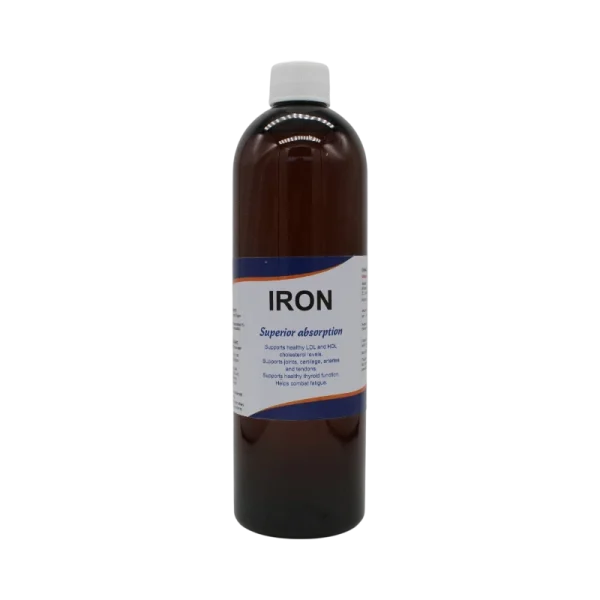
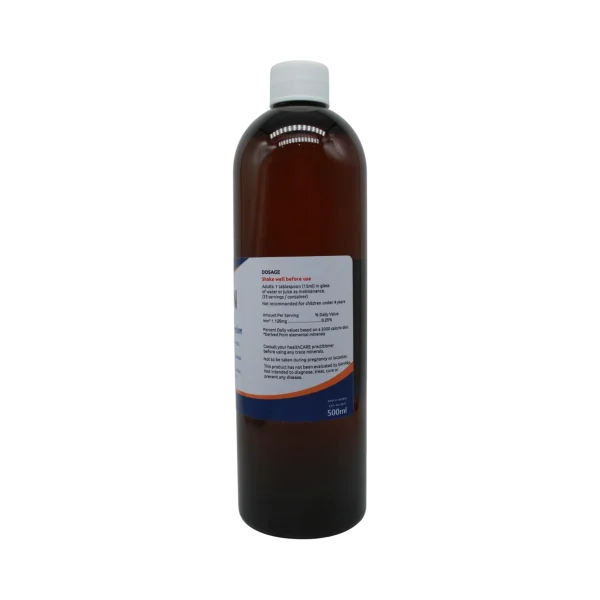
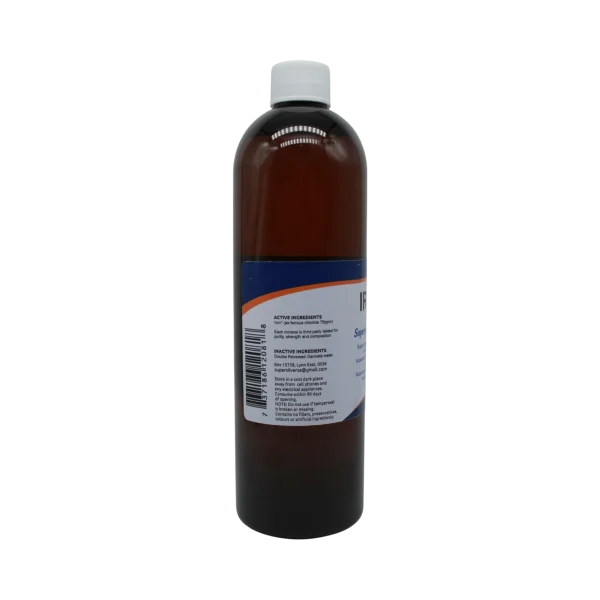
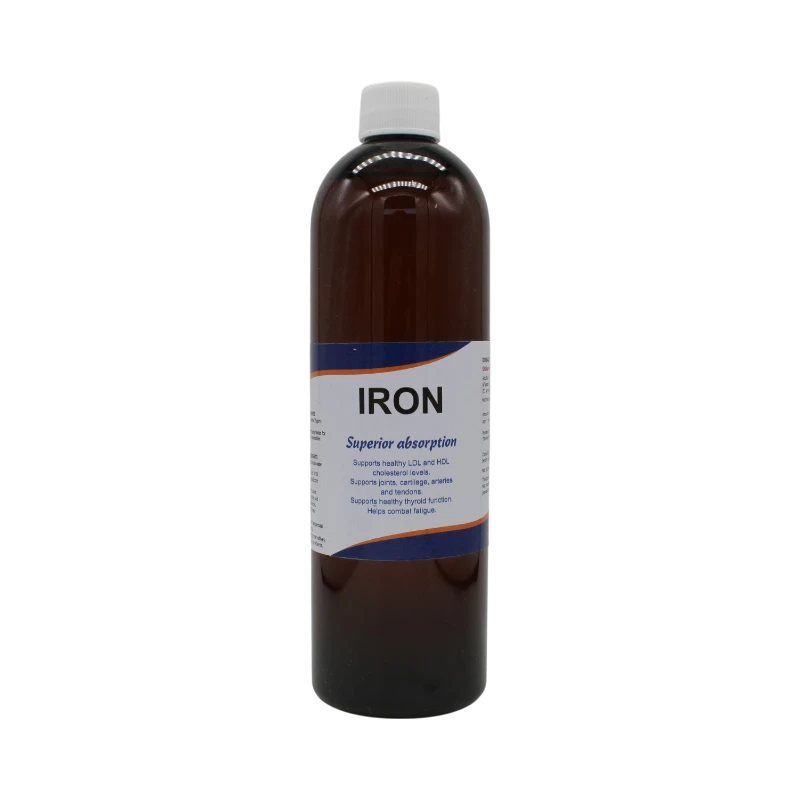
75ppm Iron Chloride
R181.50
In store: 2 available
0 in basket
75ppm Iron Chloride
2 in stock
Product details
75 ppm (parts per million, equivalent to 75 mg/L) of iron chloride in solution corresponds to a low concentration, often considered in the context of trace nutritional supplements or environmental exposures.
However, it is important to distinguish between elemental iron nutrition and ferric chloride as a chemical compound, as their health implications differ significantly.
Good to know
More about this product
Clear product information to help you make an informed choice.
Ingredients
- Iron chloride solution
Allergies
- Iron overload conditions, please do more research before using.
Pros
- Potential Health Benefits:
- At trace levels (≈75 ppm in water or solution), if properly formulated for consumption:
- Iron Supplementation:
- Could contribute to daily iron intake, supporting hemoglobin synthesis and preventing iron deficiency anemia.
- Electrolyte Contribution:
- Chloride ions support hydration, gastrointestinal acid-base balance, and cellular electrolyte homeostasis.
- Digestive Function Support:
- Adequate chloride ensures proper hydrochloric acid production for protein digestion and nutrient absorption.
When not to use
- Risks and Toxicity Considerations:
- Ferric chloride is a chemical reagent and industrial chemical with corrosive and acidic properties:
- Direct ingestion of FeCl₃ is generally not recommended without medical formulation.
- High concentrations can cause gastrointestinal irritation, nausea, vomiting, and, in extreme cases, acute iron toxicity.
- Chronic high exposure could lead to iron overload, oxidative stress, or chemical burns due to acidic nature.
- 75 ppm is very low for acute toxicity, but bioavailability as iron is limited because non-chelated ferric ions must be reduced to Fe²⁺ (ferrous iron) before absorption in the gastrointestinal tract.
- Typically, ascorbic acid or other reducing agents aid iron uptake if ferric salts are used as supplements.